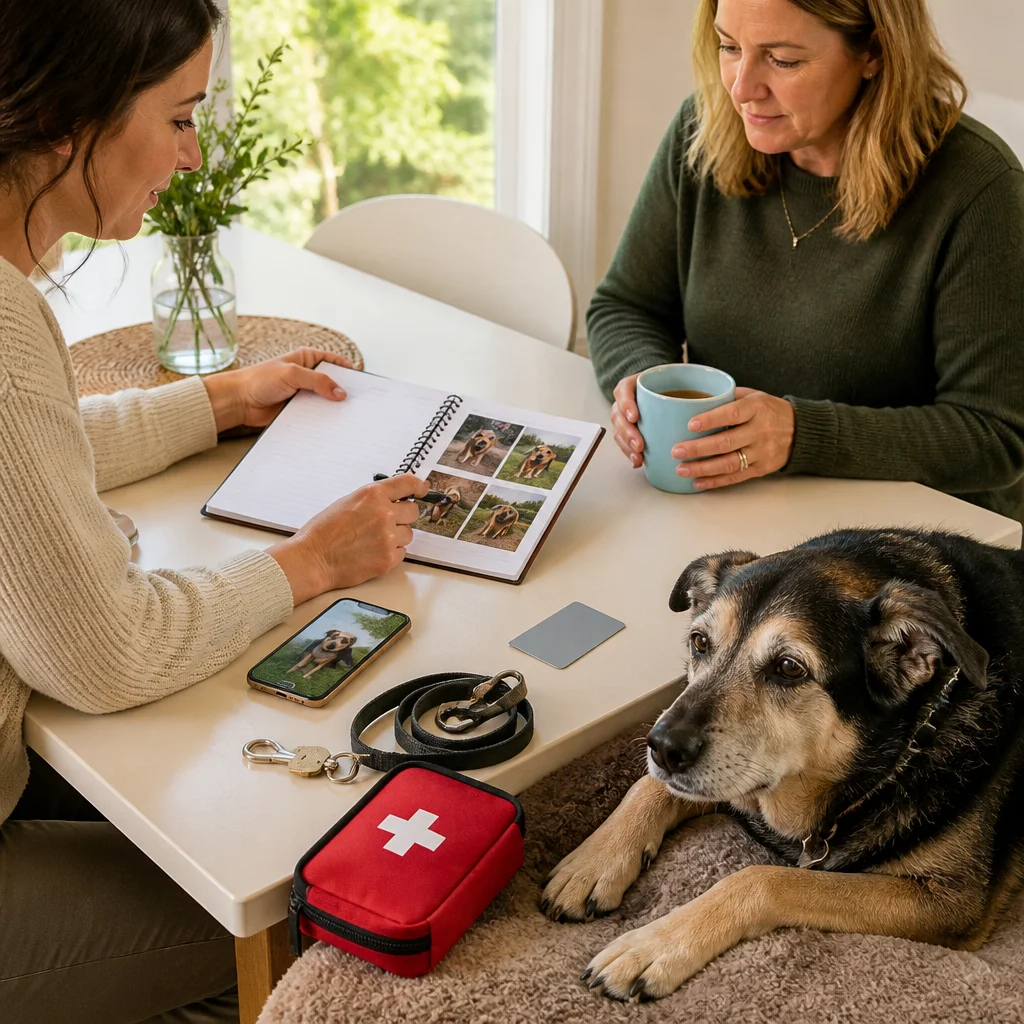
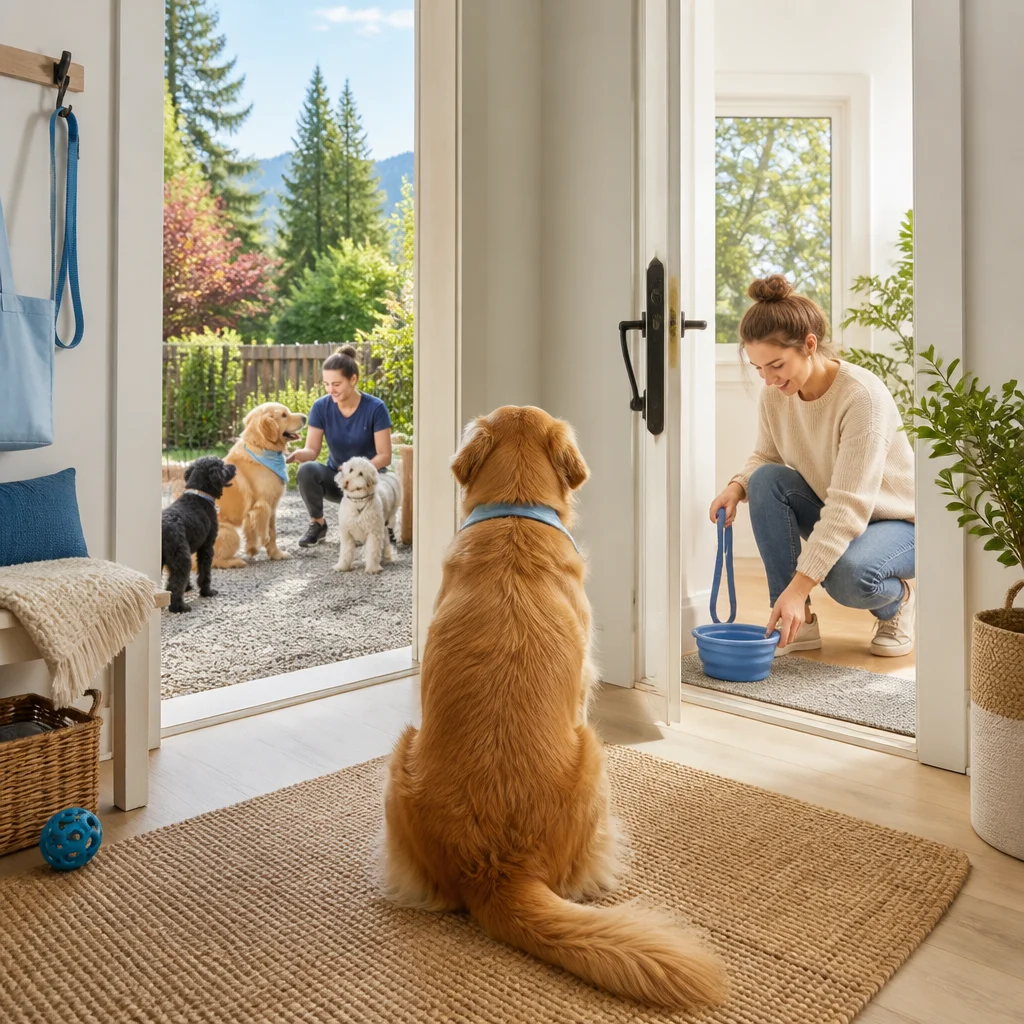
If your dog settles happily at home and just needs a midday break, start by looking at a dog walker or drop-in sitter. If they enjoy being around other dogs and need company through the workday, a well-run daycare may be a better fit. For a night away, look at overnight sitting or boarding: a lunchtime visit leaves the evening and night uncovered.
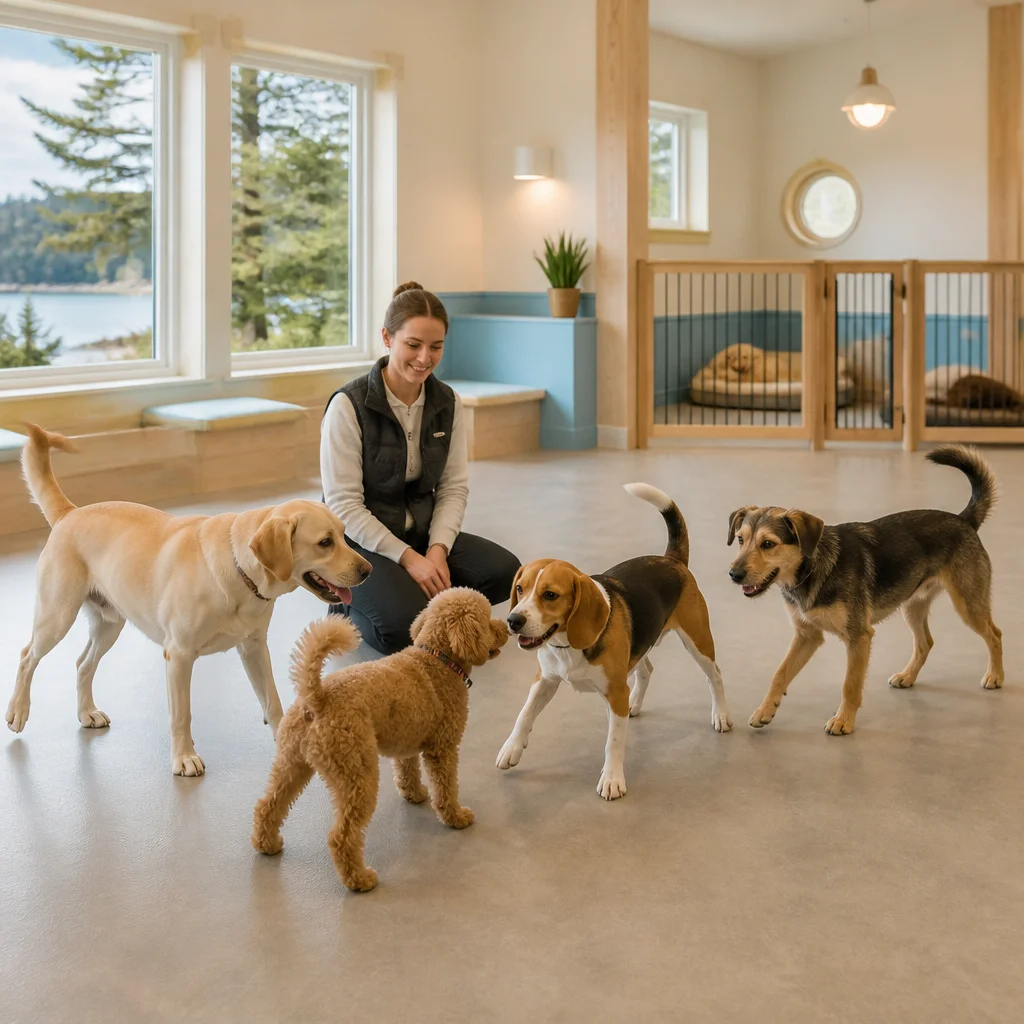
The part that is easy to miss is the time between bookings. A sitter can send a lovely photo from a walk while your dog still spends most of the day alone. Daycare can cover more hours, but you also need to know what happens when your dog wants a break from the group.
The three options at a glance
- Dog daycare: Care at a facility during set daytime hours, often around other dogs. It can suit a dog that is comfortable in a well-chosen group and settles away from home. Group size, staffing, rest and handling matter.
- Drop-in visits: One or more scheduled visits to your home. This can suit a dog that relaxes alone between visits and needs a walk, toilet break, meal or medication. The arrival window and actual visit length matter.
- Overnight or in-home sitting: A sitter stays for an agreed period, which may include the night. This can suit a dog that does better at home, needs more company or has a detailed routine. The sitter's precise hours and other bookings matter.
“Overnight” does not always mean the sitter will be in your home from dinner until breakfast, and “daycare” does not always mean continuous group play. Ask for the schedule in plain hours.
Put the service against a real weekday
Here is an illustrative example. You leave a Burnaby condo at 7:45 a.m. and return at 6:00 p.m. Your dog eats at 7:00 a.m. and normally needs a toilet break around noon.
A sitter visiting from noon to 12:30 p.m. leaves your dog alone for 4 hours and 15 minutes in the morning, then another 5 hours and 30 minutes afterward. Would those stretches work for your dog? A half-hour booking sounds reassuring until you put the remaining hours beside it. If your dog needs more frequent attention, one visit does not solve the problem.
A daycare open from 7:00 a.m. to 7:00 p.m. could cover the whole workday, provided the commute, intake process and group environment suit your dog. The useful comparison includes the extra drive at rush hour. A facility that looks close on a map may add two awkward trips if it is across a bridge or off your usual route.
An in-home sitter could cover most or all of the absence, but only if “day sitting” means the hours you need. Some sitters leave for walks or other clients. The important answer is the longest period your dog would be alone.
Get past the service label
For daycare, ask:
- “How many dogs are with each caregiver, and how are groups formed?” A clear answer covers size, age, play style and individual behaviour. The BC SPCA AnimalKind standards give a useful benchmark: a planned ratio of at least one caregiver per 10 dogs in a social group, with no more than 20 dogs in a group enclosure. These are voluntary standards. Find out how the facility staffs the actual group your dog would join.
- “How do you introduce a new dog, and what happens if the dog is uncomfortable?” Look for a gradual assessment and a willingness to stop group participation. “They'll get used to it” does not explain how staff respond to stress.
- “Where can dogs rest, and is the group continuously supervised?” You want a quiet place away from play and a caregiver physically present with the group.
- “What happens in an emergency?” A useful answer names who contacts you, where your veterinary details are kept and how an injured or ill dog is transported.
For a drop-in or in-home sitter, ask:
- “What arrival window and visit length are you committing to?” “Around lunch” is too vague when timing matters for medication or toilet breaks.
- “During an overnight booking, when will you be here and when will you leave?” The answer reveals whether you are booking overnight presence, evening and morning visits, or broader house sitting.
- “Who comes if you are ill or delayed?” A named backup whom you have met is different from an unknown replacement receiving your access details.
- “How will you handle walks, doors, medication and an emergency?” The sitter should discuss equipment, escape risks, fears, rewards and veterinary instructions in relation to your dog.
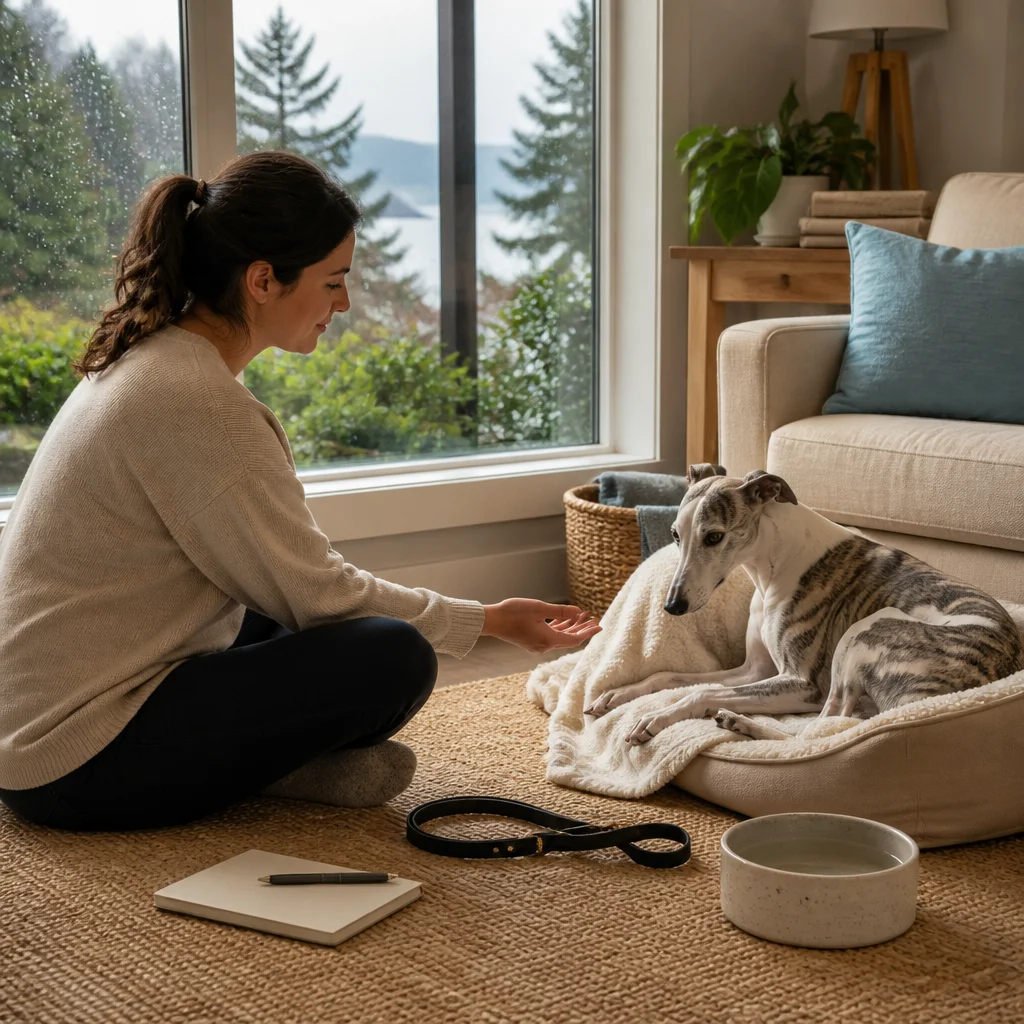
The BC SPCA's pet-sitter questions are a useful starting point for the first meeting, particularly for time spent with your dog, handling and backup arrangements.
Check the handoff before it becomes a workday problem
For a condo, test the handoff before the first paid booking: buzzer access, fob-controlled doors, elevator rules and where the dog will be leashed. Give keys or codes privately to the chosen provider and agree on their return.
For daycare, leave a realistic margin before closing. A 6 p.m. finish at work and a 6 p.m. final pickup are incompatible, however convenient the address looks. If someone else can collect your dog, put their name on the approved pickup list before you need the favour.
Compare the cost of a complete day
Get each quote for the same dates and the hours your dog needs. Two home visits cost more than the single-visit headline price; daycare may add an assessment fee or a charge for late pickup. Ask what is included and what would trigger an extra charge.
Travel matters too. An extra 20 minutes each way is 40 minutes of your day, even when the daycare price is lower. Try the service before buying a package: a discount has little value if the hours or the setting do not work.
Use the first booking to learn something
Before the first booking:
- share feeding, medication, veterinarian and emergency-contact details;
- describe guarding, escape attempts, handling sensitivities and known fears;
- complete a meet-and-greet or daycare assessment;
- agree on the precise hours, update method and backup plan;
- test keys, buzzers, pickup names and phone numbers; and
- ask for a short report on rest, toileting, eating and any change from the plan.
Agree on a short first booking while you are available to collect your dog if needed. Ask what happened between the cheerful photos: did your dog rest, approach the caregiver, eat as usual and choose to join the other dogs? For a sitter, did they get into the building on time, and did the visit include everything you agreed?
Use those details to make the next booking. A dog who enjoyed a short group session might still need a shorter daycare day. A good walk does not fix a sitter's unreliable arrival time. You are looking for care you can comfortably repeat on an ordinary Tuesday.
Browse BC daycare listings or search the provider directory, then compare the actual hours and practices of the businesses that cover your address.