

Compare daycare over a month, not from one happy photo. The useful differences are group shape, rest, hours, travel and what happens when the usual plan fails.
Name the formats
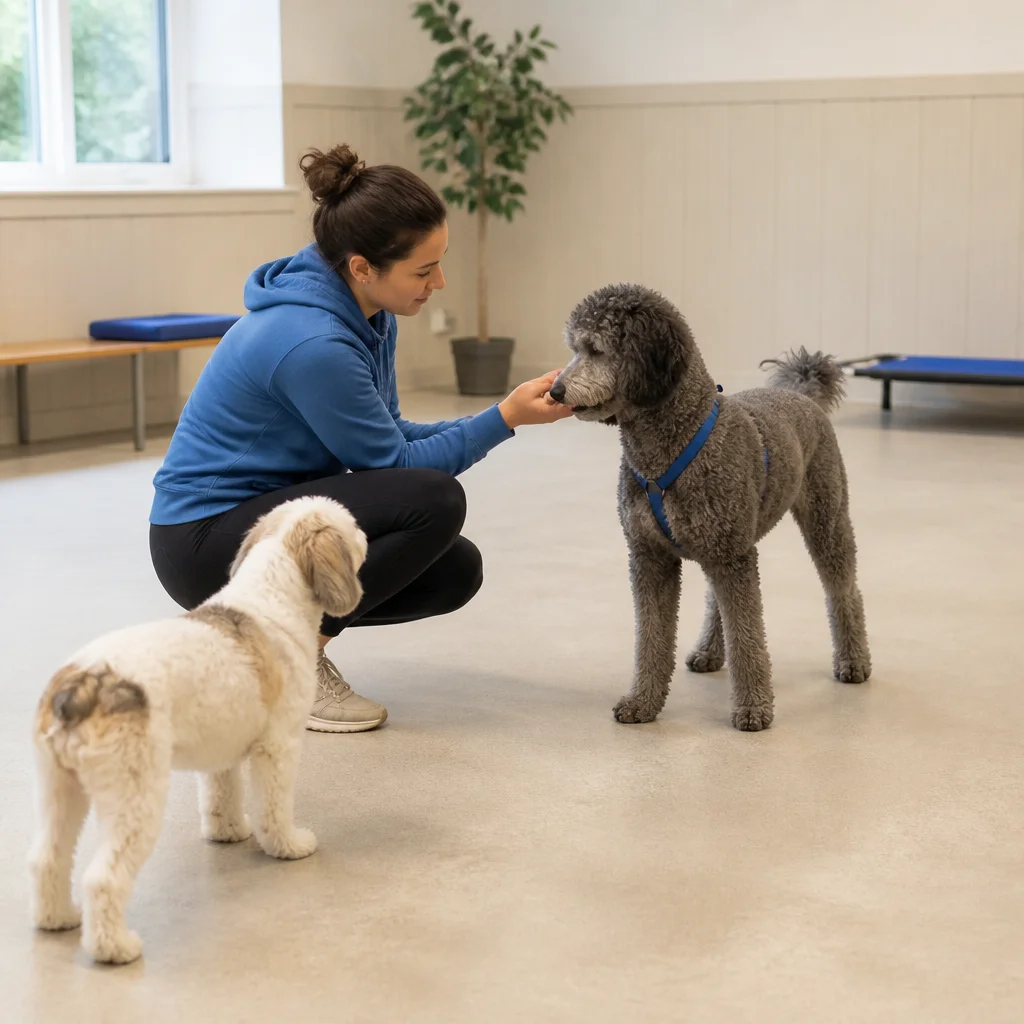
Large group daycare may offer long hours and multiple play areas. A small home daycare may have fewer dogs but resident animals and household interruptions. One-on-one daytime care costs more and avoids a group, but its exact hours and caregiver absences matter. A structured half day may suit a dog better than a full day of open play.
For every option, describe one day from arrival to collection. Note group size, caregivers present, outdoor activity, quiet space, meals, updates and early-pickup triggers.
The AnimalKind daycare page lists voluntary comparison points for caregiver ratios, group size and composition, rest spaces and crate compatibility.
Compare the commute and terms
Put the same four Tuesdays through each offer. Include package expiry, absence rules, closures and travel at rush hour. A higher drop-in price may be cheaper than a package with days you cannot use.
Compare a full month, not one cheerful visit
Daycare is often recurring care, so compare daycare costs over four ordinary weeks. Include the specific weekdays, commute, drop-off and pickup windows, package expiry and days the service is closed. A flexible drop-in option may cost more per day but suit a changing schedule; a lower package rate may waste money if unused days cannot move.
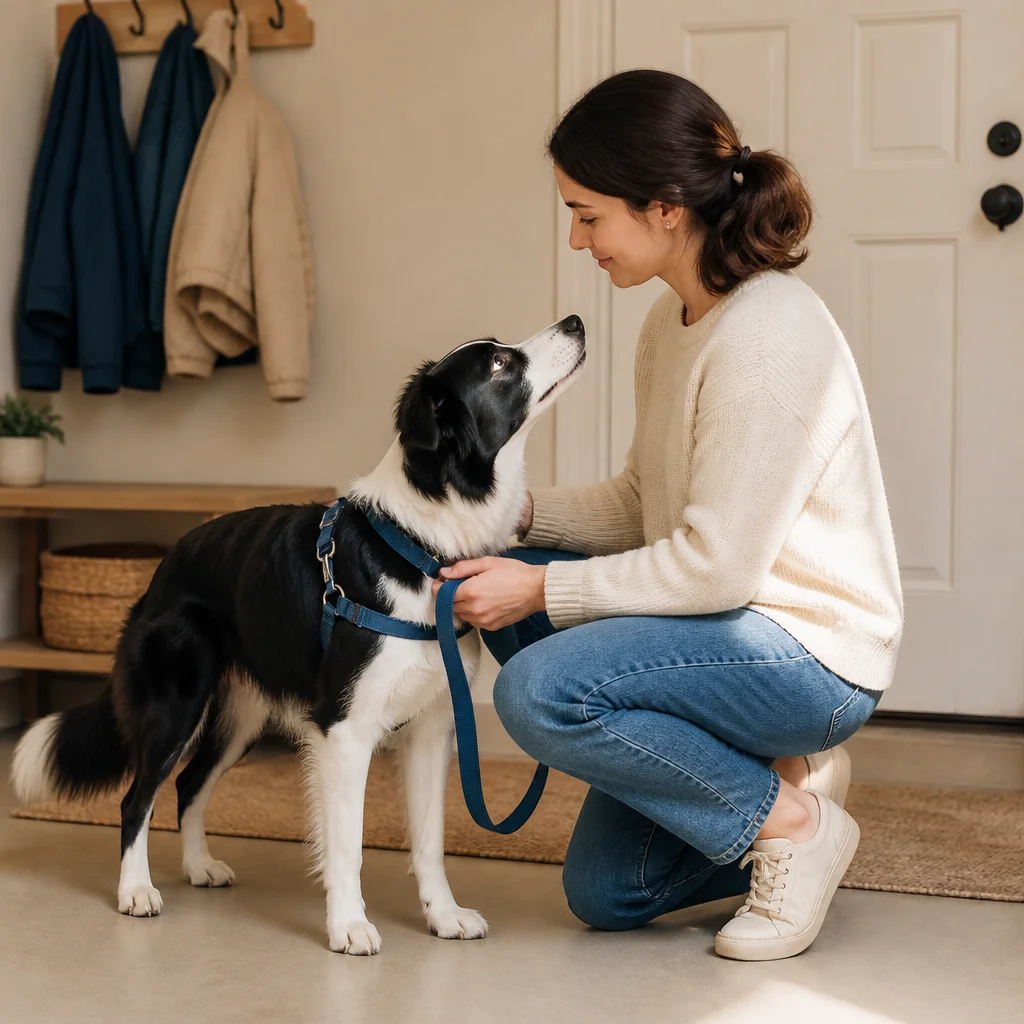
Facility group daycare may offer consistent spaces and several staff, while a smaller home setting may have fewer dogs and more household variables. A structured program may separate activity and rest; a freer format may suit some dogs but make rest harder to verify. Compare what happens on the dog’s actual day, not what each category is assumed to provide.
Ask every option the same disruption question: “If my dog is uncomfortable in today’s group, where do they go, who watches them and when will you call me?” Also ask what happens when staff are short, outdoor conditions are poor or pickup is late. Clear alternatives matter more than an ideal-day schedule.
After a trial, compare observable results: willingness at handoff, ability to rest, staff’s specific recollection, condition at pickup and recovery at home. One tired evening does not prove the dog had a good or bad day. Look for a pattern across a few appropriately paced visits before making a large package commitment.
Review the decision after the novelty fades
Set a date to reassess after several visits. Check whether drop-off remains comfortable, rest is occurring, reports stay specific and the commute is sustainable. Also check your dog’s recovery between visits. If the service works only when your schedule is unusually light or the dog needs a full day to recover every time, change frequency, format or provider rather than defending the original choice.